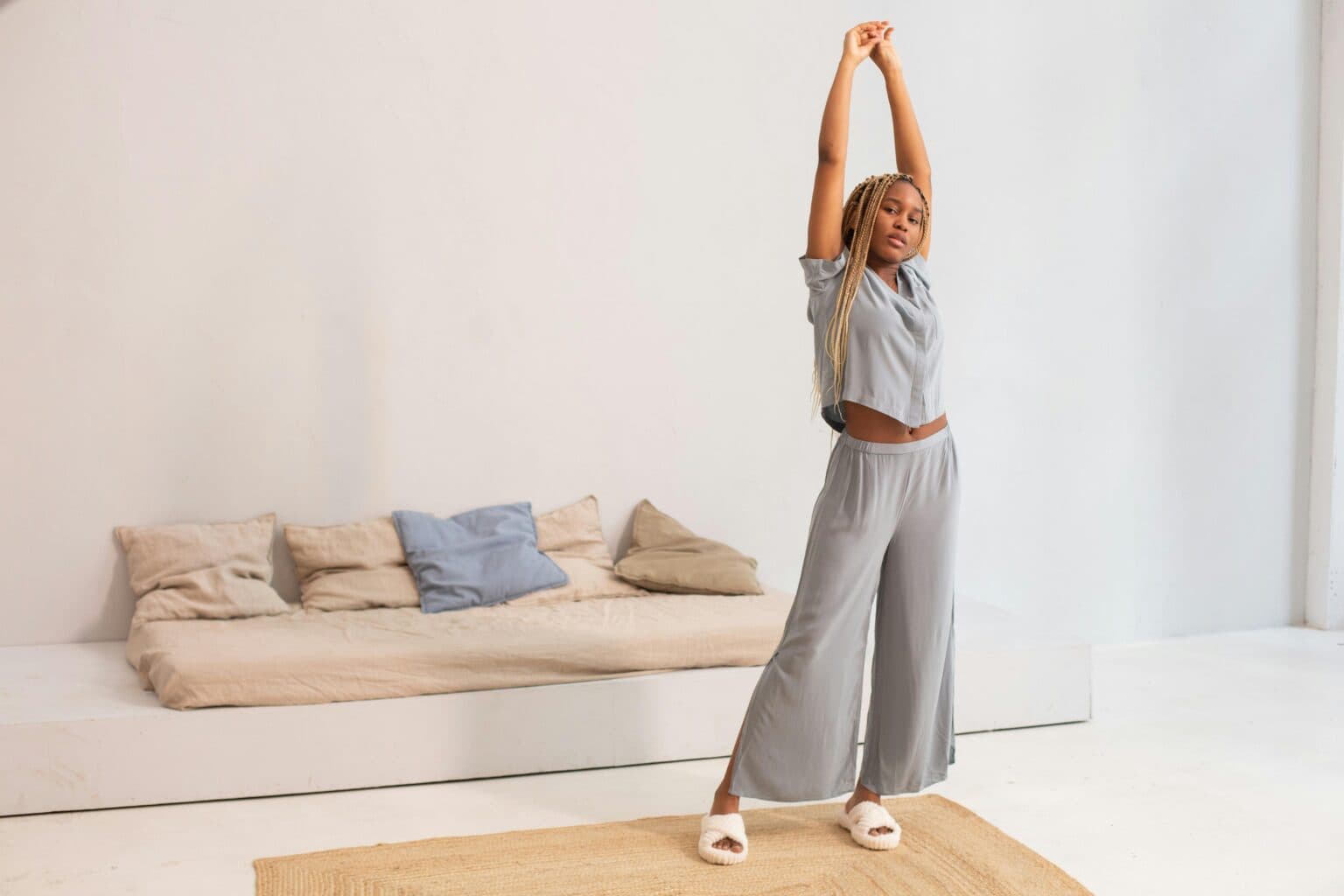
The case for spending more on loungewear
You wear your loungewear more than anything else in your closet. Count the hours. Mornings before work, evenings after, weekends, sick days, the long stretches when nothing else fits the mood. By a wide margin, this is the category your body knows best.
So why is it usually the cheapest stuff you own?
The math is brutal
Cost-per-wear is the only honest metric for clothes. A $400 wedding dress worn twice costs $200 a wear. A $30 pair of pajamas worn 200 times costs 15 cents a wear. The expensive thing is, on a per-use basis, twelve hundred times more expensive than the cheap thing. We just don't think about loungewear that way because it's the cheap thing. The maths apply anyway.
If you spend $30 on a top that pills after three washes, and $80 on one that holds up for two years, the second one costs less per wear, every time. Spending more is sometimes the cheapest option you have.
Fabric matters more than cut here
For a structured blazer, the cut is doing most of the work. The fabric just has to hold the shape. For loungewear, the cut is barely a factor. Most pieces are some flavor of t-shirt or relaxed-fit pant. What changes is how it feels at hour twelve.
A poly-modal blend feels great on day one and starts to pill at the elbows by week three. A heavyweight cotton or a peached jersey takes years to break down, and the longer you wear it, the better it gets. Linen feels like a stranger the first three times you wear it, then becomes the thing you reach for in summer for the rest of your life.
You're paying for fabric that ages.
Synthetics are not the enemy, but they're not loungewear
Polyester, nylon, elastane, and the various branded blends have a place. Activewear, swim, shapewear, anything that needs to stretch and recover. They are the wrong material for sleeping in. They don't breathe. They build static. They hold smell. The reason you wake up sticky in your favourite pajamas is almost always the fabric.
Cotton, modal, lyocell, silk, linen, wool. Loungewear is a natural fibers category, with the occasional exception for ribbed knits where a touch of elastane keeps the cuffs in place.
What's actually worth the upgrade
Three pieces, in this order:
A robe in heavyweight cotton or silk. You'll wear it before you've decided what to put on, between the shower and the rest of the day, and on the couch in the evening. A good one outlives most relationships.
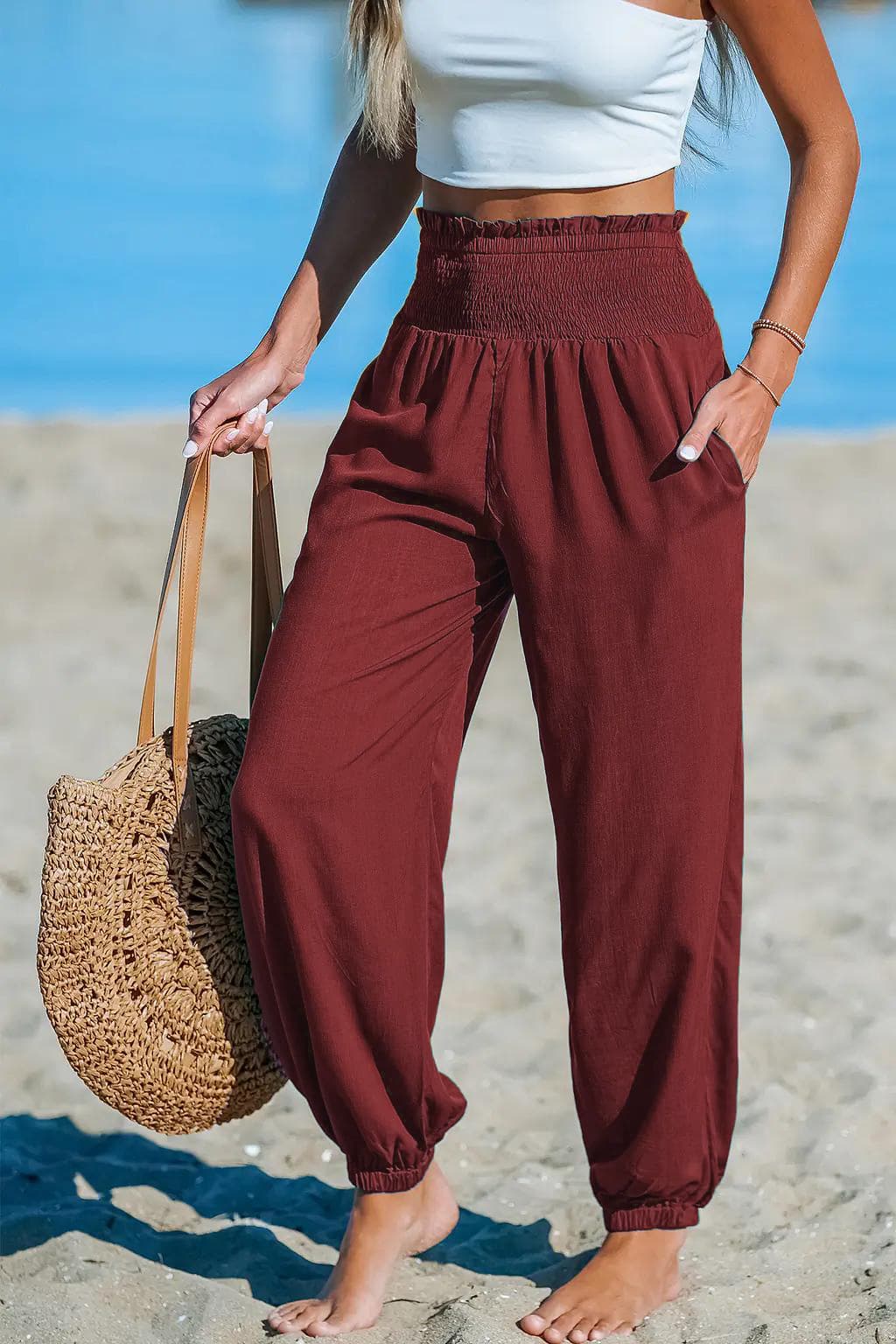
A relaxed pant in linen for summer and a brushed cotton for winter. Pajama pants you'd wear to answer the door. The waistband is the tell. Cheap loungewear has a folded-over elastic that loses its shape in two months. Spend on the waistband.
A long-sleeve top with a clean neckline. The kind you'd throw a coat over to grab coffee on a Saturday morning. T-shirts come and go, but a heavy ribbed top in a real cotton becomes the layering piece for years.
That's it. Three pieces, on heavy rotation, replacing twenty cheap pieces over time.
Loungewear, top-rated
Shop all →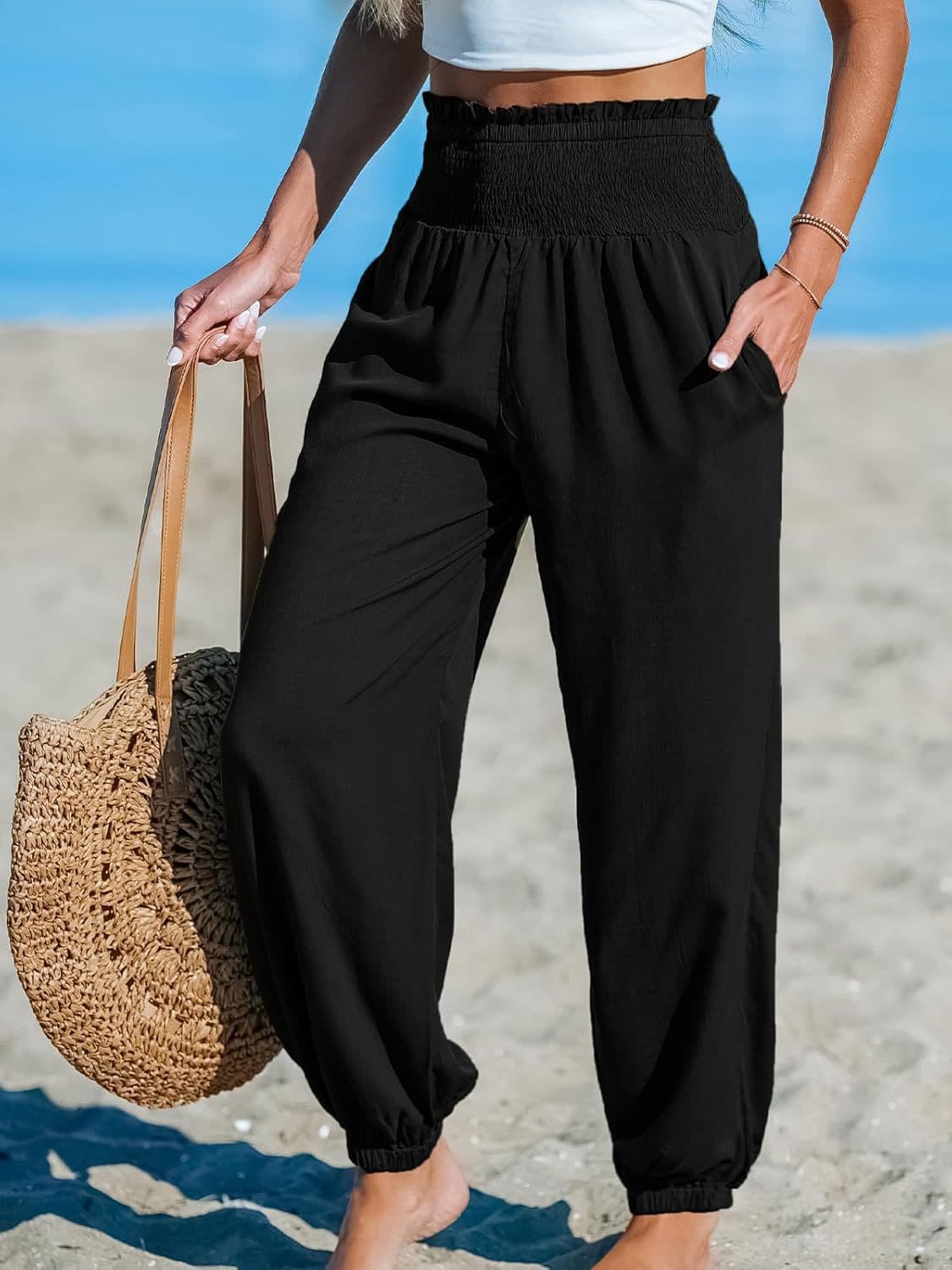
How to make them last
Wash cold. Inside out. Don't tumble dry the heavyweight knits, they'll lose their shape. Linens love a wash, then air-dry, then wear. Silks need a delicate cycle in a mesh bag and a dry rack, not the dryer. Cotton can take more abuse than people think.
If you're spending $80 on a piece, give it ten extra seconds on laundry day. The piece will return the favour for years.
If you only ever buy one investment in your closet this season, make it loungewear. Your body spends more time in it than in anything else. Reward yourself for that math.
Keep reading
More from the journal
 Bras
BrasApr 30, 2026
The five bra fit problems most women have, and how to fix them
About 80% of women are wearing the wrong bra size. That's not a marketing line, it's a number that comes up in fit study after fit study. Most of us got measure
 Occasion Dressing
Apr 30, 2026
A no-shame guide to wearing shapewear under everything
Shapewear has had a PR problem For about a decade, the conversation around shapewear has been wrapped up in body shame, secrecy, and slightly weird Hollywood ru
 Fit Guide
Apr 30, 2026
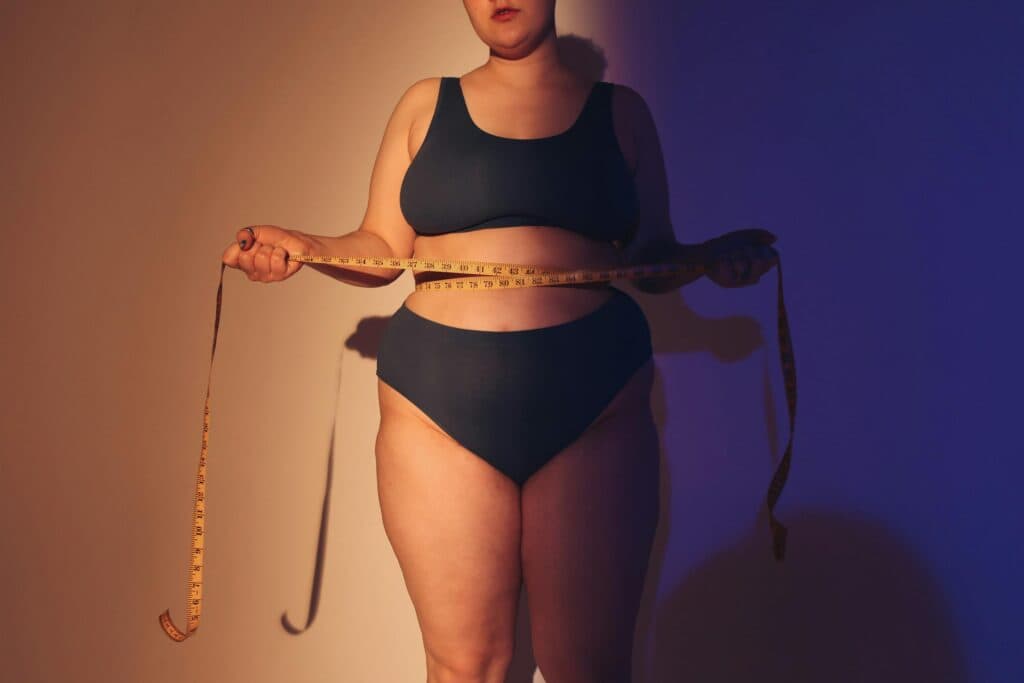
How to find your shapewear size without a fitting room
Why most size charts get it wrong You measure your waist, you check the chart, and the piece still doesn't fit. The chart is not lying, but it's giving you one